
A quarter century of arts in Northeast Minneapolis
The Northeast Minneapolis Arts District welcomes people from all over the world looking for the perfect place to discover, live and/or work. An influx of artists accelerated after we were voted the #1 Arts District by USA Today readers in 2015. Now about 800 artists maintain studios or gallery presence here.
Still gritty and real, the district and its environs provide a varied list of business services and natural amenities that make it possible, for example, for a movie maker to cast extras, film locations and edit their feature within a few minutes of the district’s core.
Even live theater and storytelling can be found here.
Foodie restaurants, traditional and ethnic restaurants, dive bars, music venues, even breweries with food trucks offer visitors well-rounded experiences while enjoying the visual arts at galleries, during open studio events, and along the evolving sculpture trails.
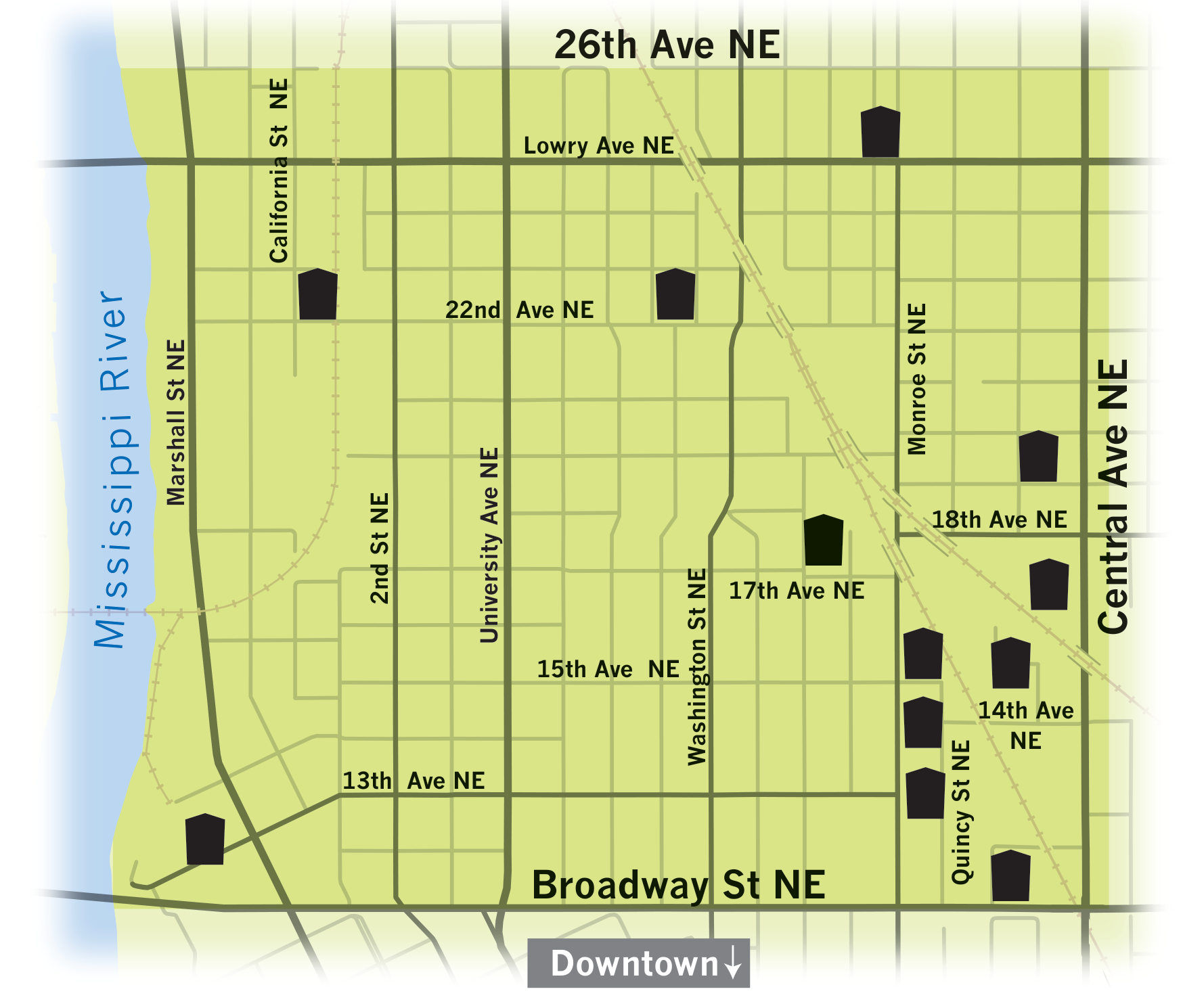
“The Arts At Work” can be found by appointment or during open studio events, in the buildings at right. Clockwise from upper left: California Building, Holland Arts, Flux Arts, Artspace Jackson Flats, Thorp Building, Northrup King Building, Waterbury Building and Elias Metal Studio, Q.arma, Architectural Antiques, Solar Arts, Casket Arts Complex, Grain Belt Complex.
“Northeast never got so rich as to tear down its history”
— Annette Atkins, Minnesota Historian
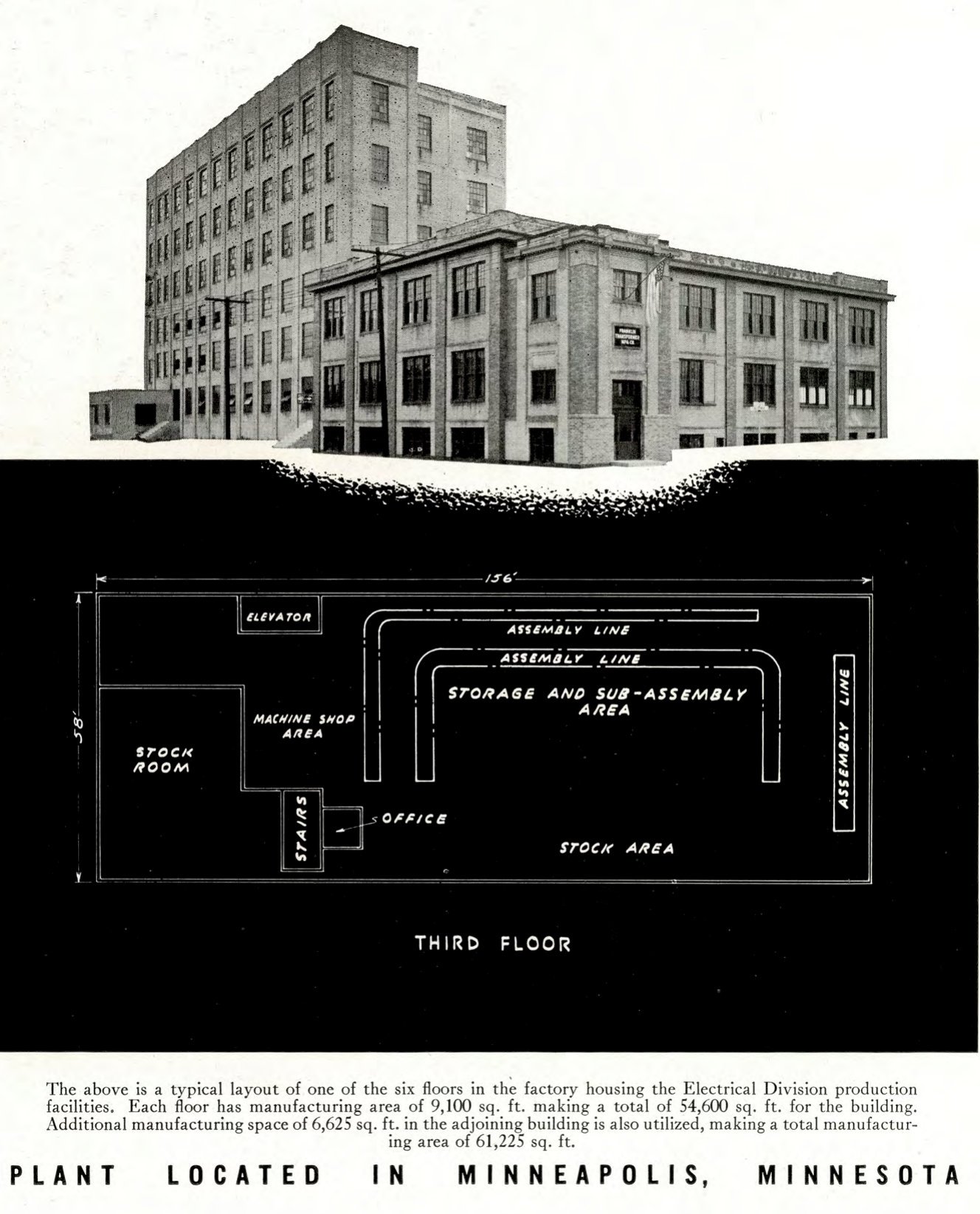
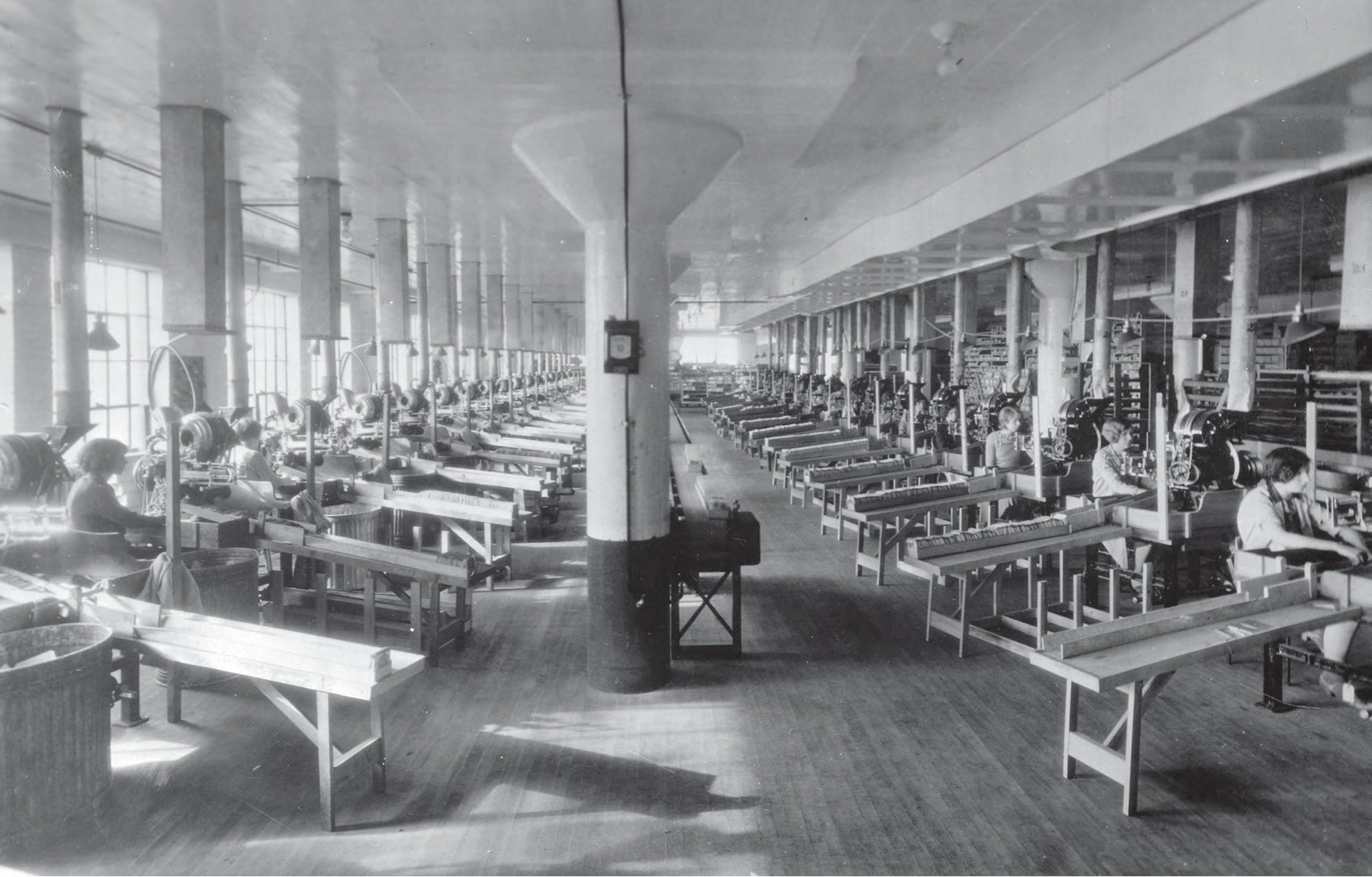
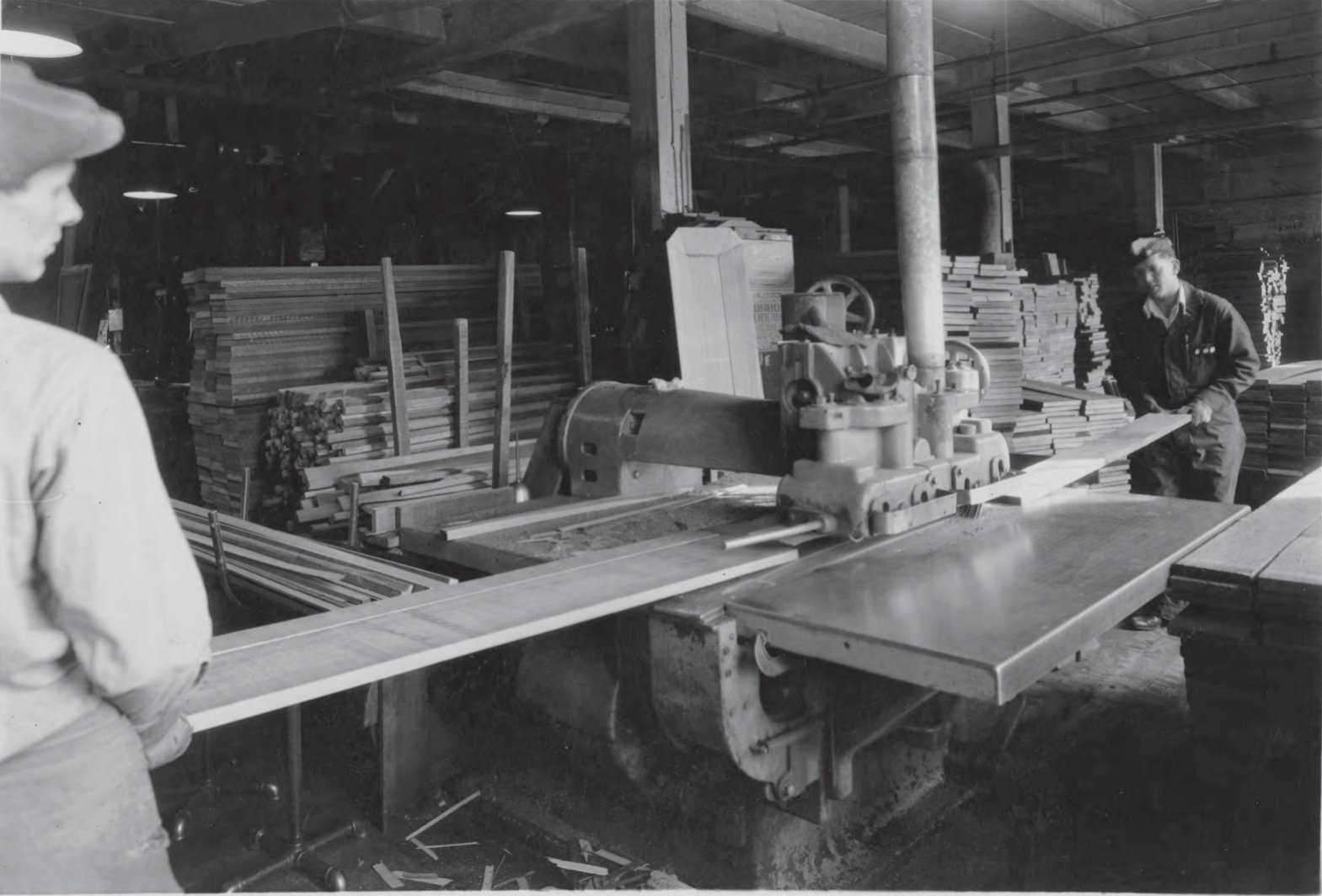
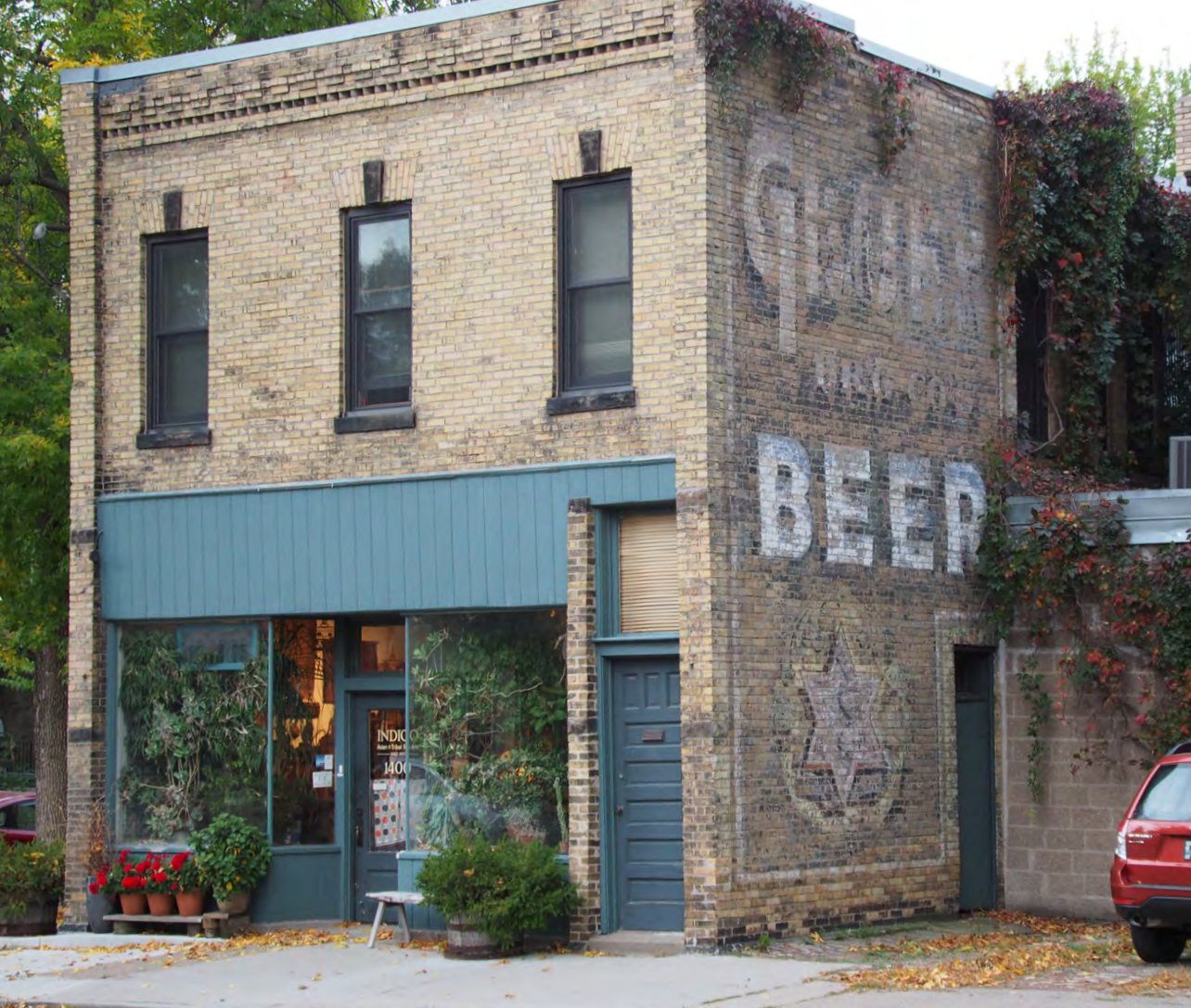
Northeasters re-used our oldest structures. From a sprawling seed-packaging complex, to a former bomb-sight manufacturer, from a service station to a former church school, quietly beautiful brick buildings re-emerged as work places for hundreds of artists.
Within walking or bus distance of downtown and near the University of Minnesota, homes are just as likely occupied by degree candidates as service workers.
Historian Annette Atkins describes Northeast as a fringe community, a start-over neighborhood, a college town where everyone can be an individual. It’s a place where old-world traditions and progressive viewpoints peacefully co-exist.
The neighborhoods of the Northeast Minneapolis Arts District are 55% white, 15% black, 13.6% Hispanic, 13% other or mixed, 2% native, and 1% Asian/Pacific Islanders.
Passages to present day
We acknowledge that the Northeast Minneapolis Arts District is on the traditional land of the Dakota people who have stewarded the land throughout generations.
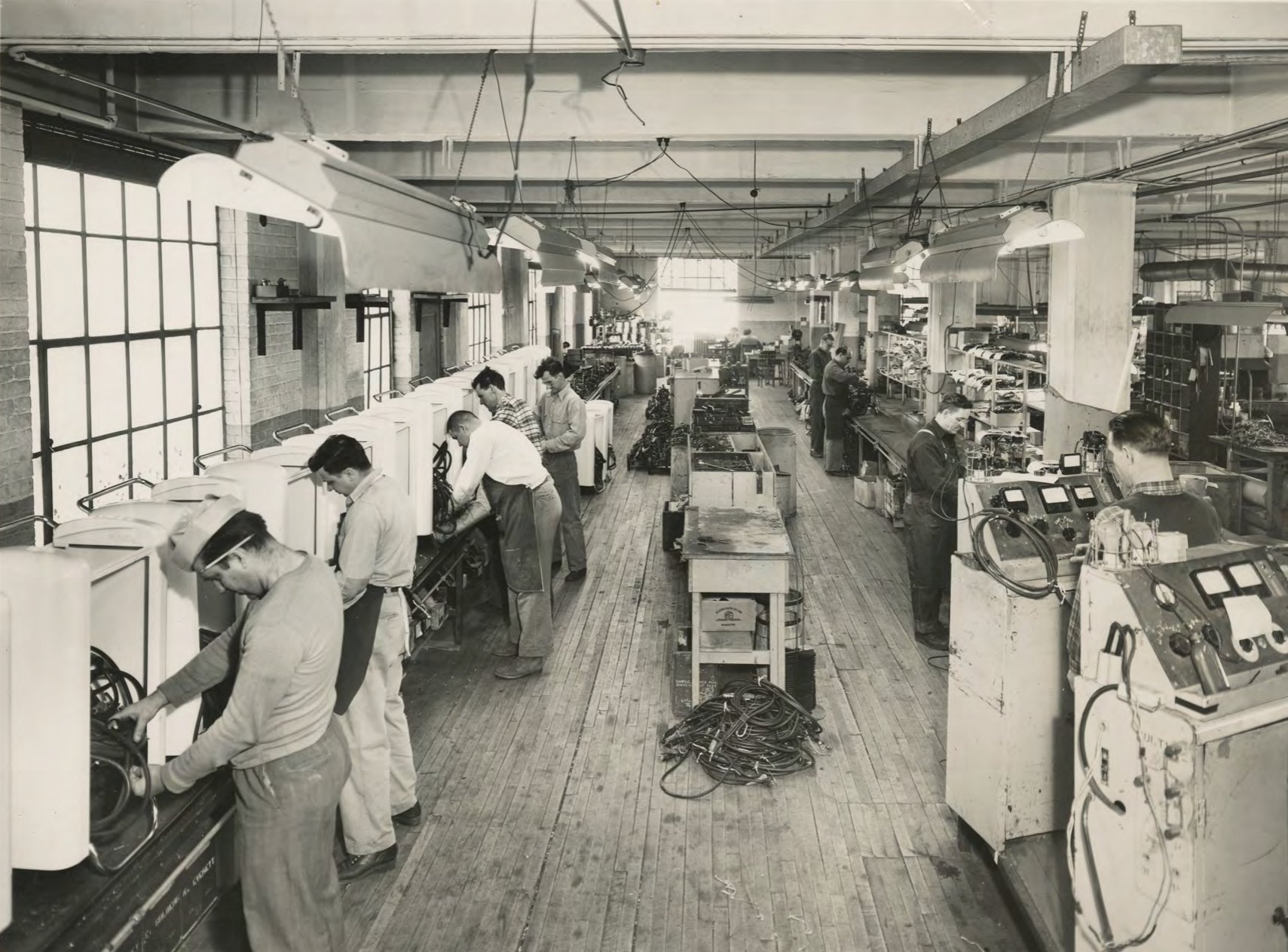
Earliest European immigrants came from Norway, Sweden and Germany by way of New England. Among waves of immigrants who worked in the early 20th Century factories: Finnish, French, Italians, Czechs, Polish and other Eastern Europeans. More recent new Americans include Somali starting in 1993, Ecuadorian and Mexican, Hmong and Lao. Tibetans, most of whom settled farther north in Columbia Heights, arrived around 2010. Another wave of Ukrainian and Russian fled here during recent conflicts.
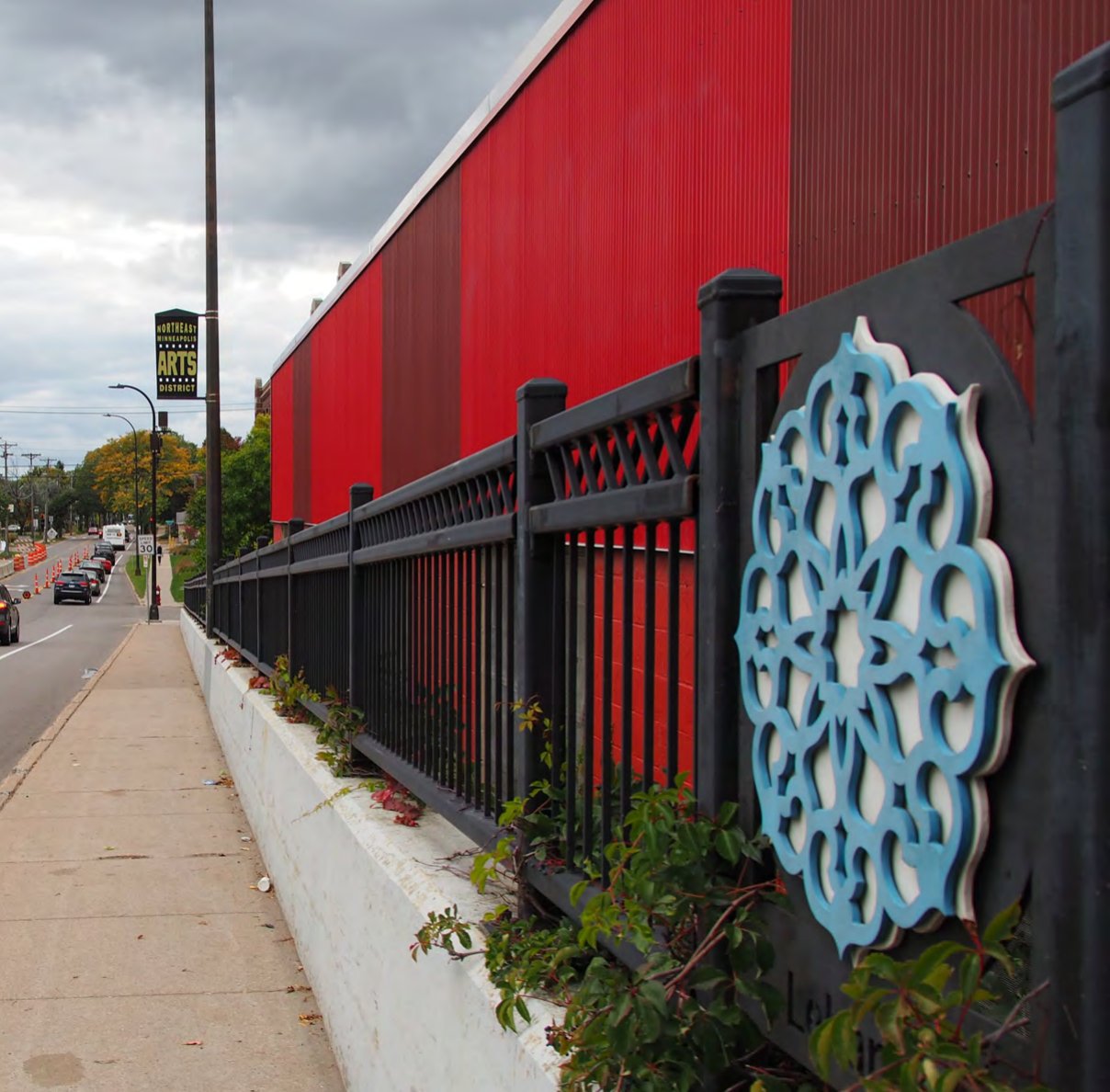
An early Northeast public art project, Susan Fiene’s series of ethnic motifs now incorporated into wrought iron at the Broadway/Central intersection, was first erected in 1993 on a chain-link fence and re-made into concrete and iron welcoming points in 2005.
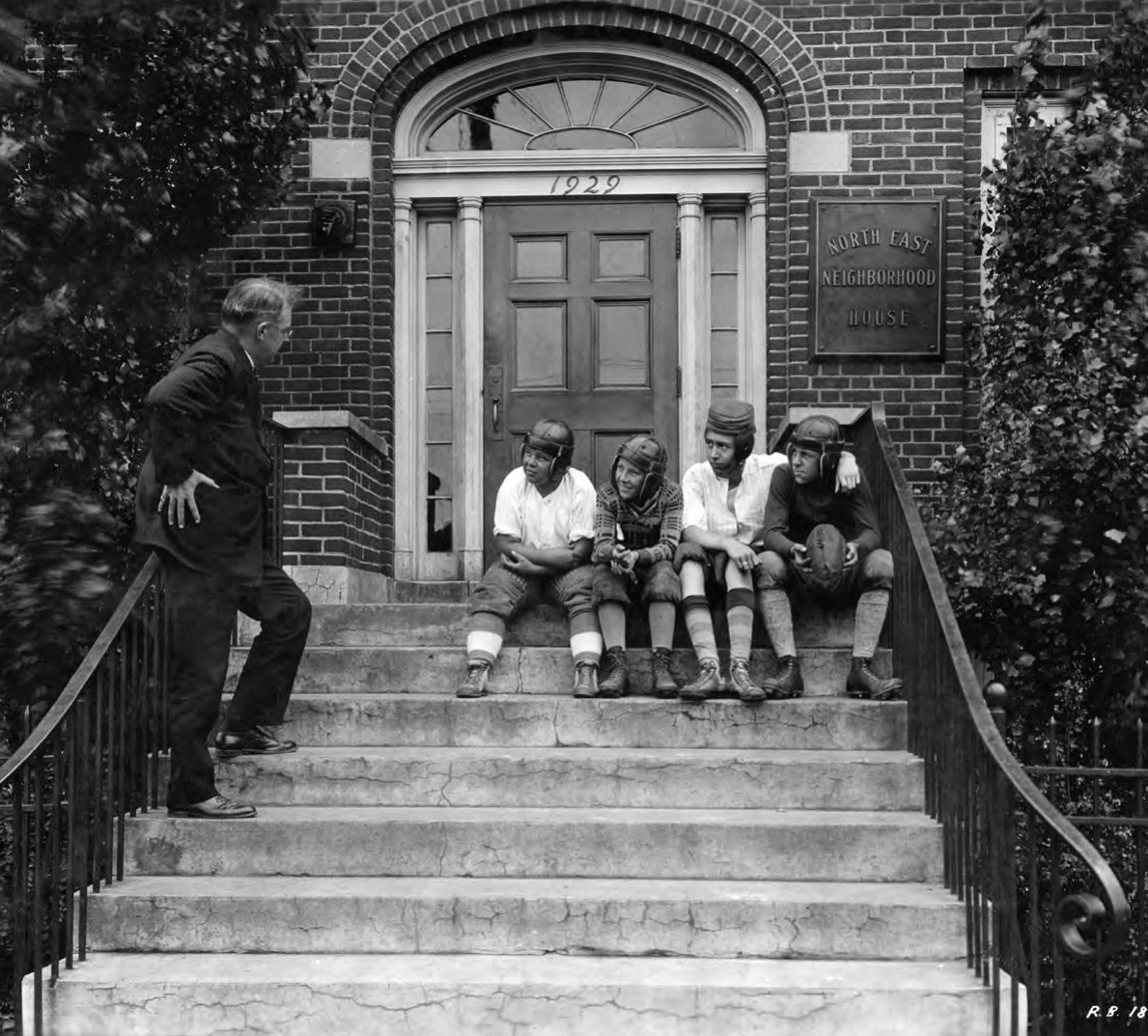
The original set of motifs now decorates the facade and community room at East Side Neighborhood Services (ESNS). Originally known as the Northeast Neighborhood House, the settlement house tradition of this social service agency helped raise a young immigrant son, Walter Dziedzic.
As city council member from 1976 to 1998 “Walt” favored employment as the way out of poverty, emphasizing job-creating businesses and taking care of constituents individually. His influence was felt everywhere. In 1996, Dziedzic embraced a new era when he listened to the newest arrivals — the artists.
Open studio events in the NE Arts District
Photos courtesy of Northeaster newspaper.
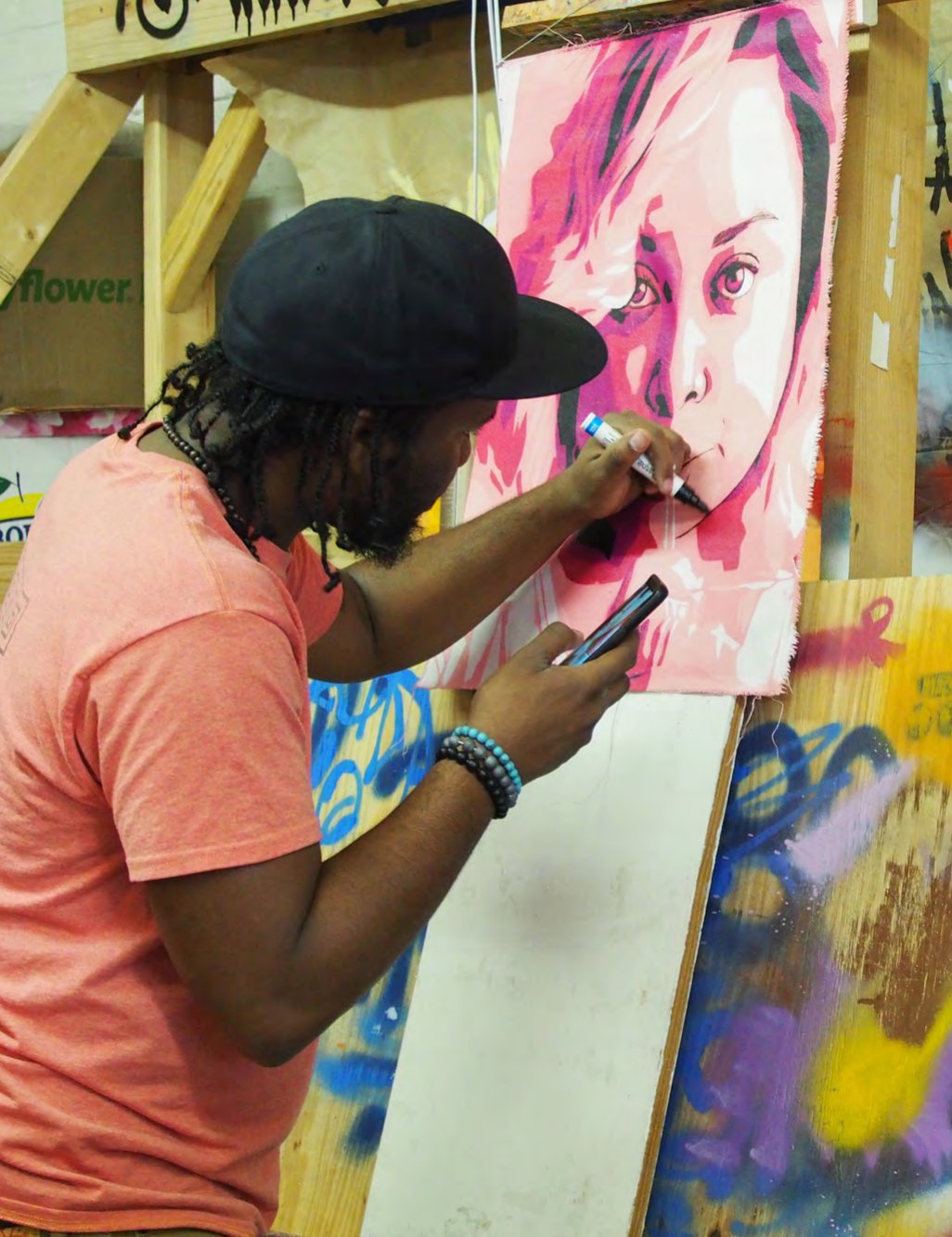
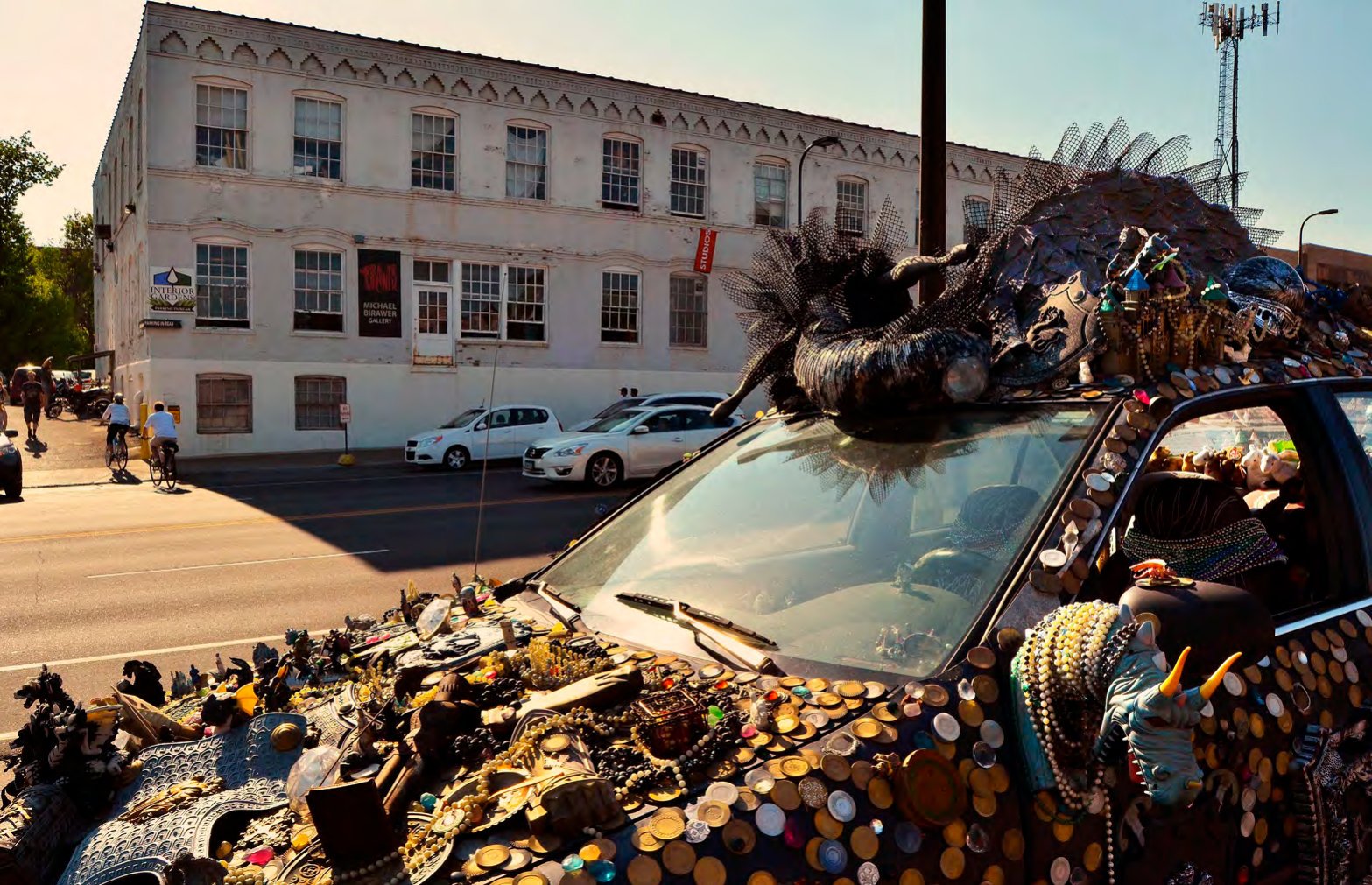
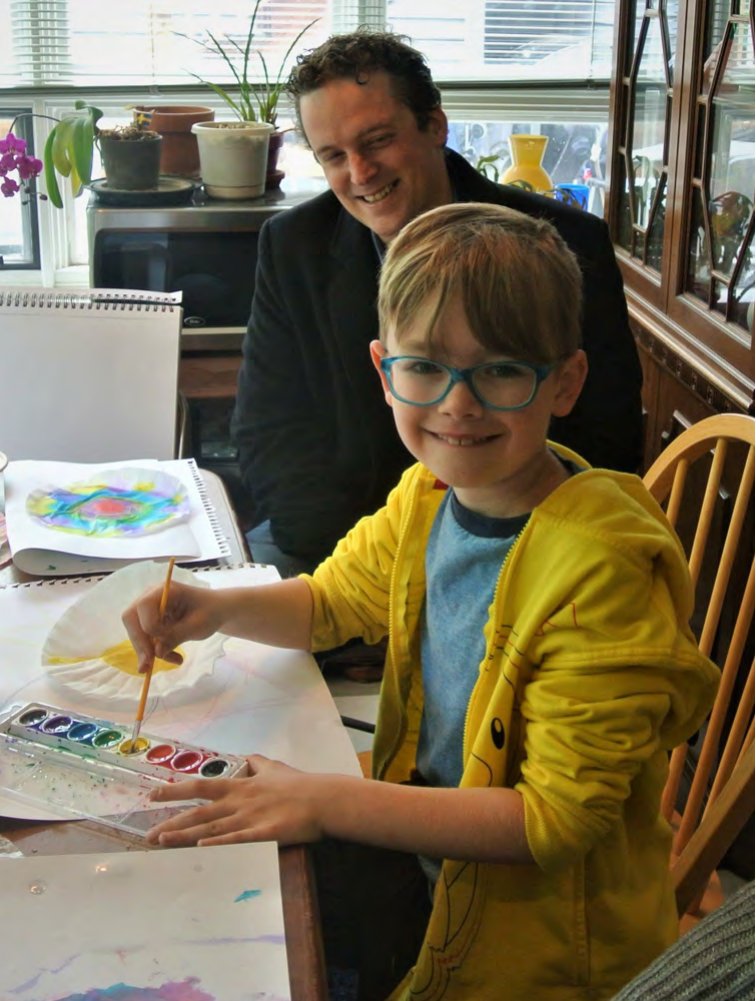
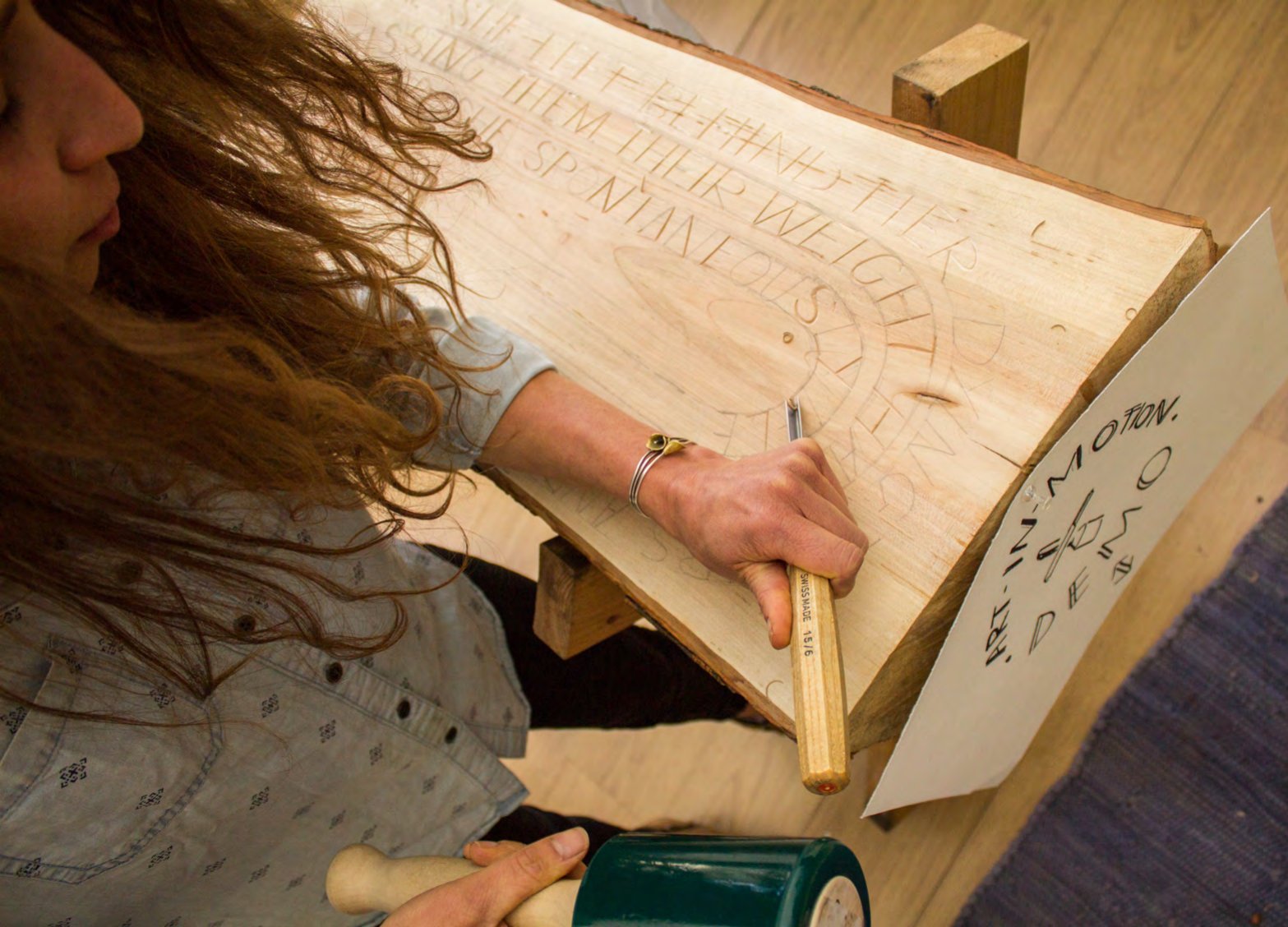
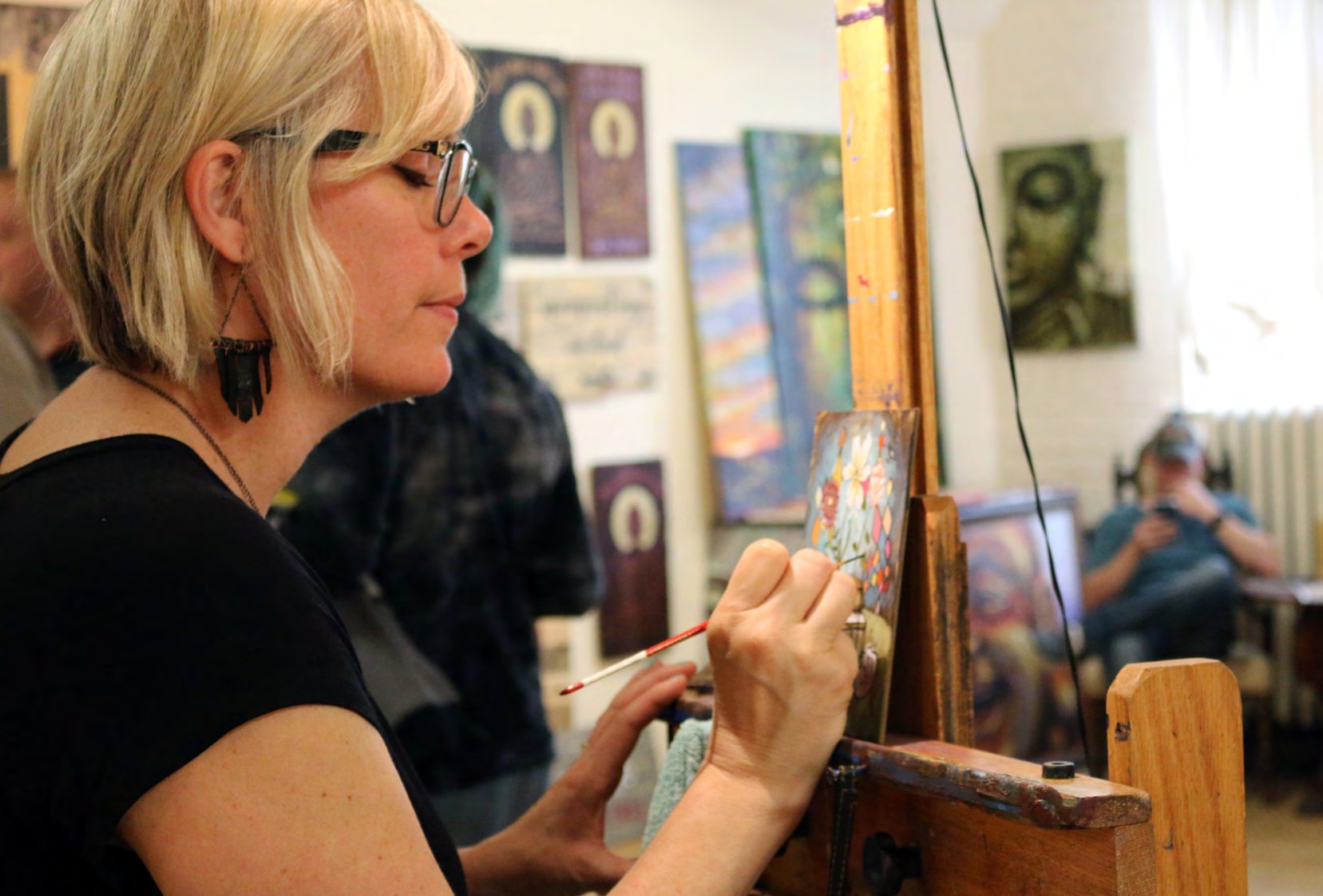
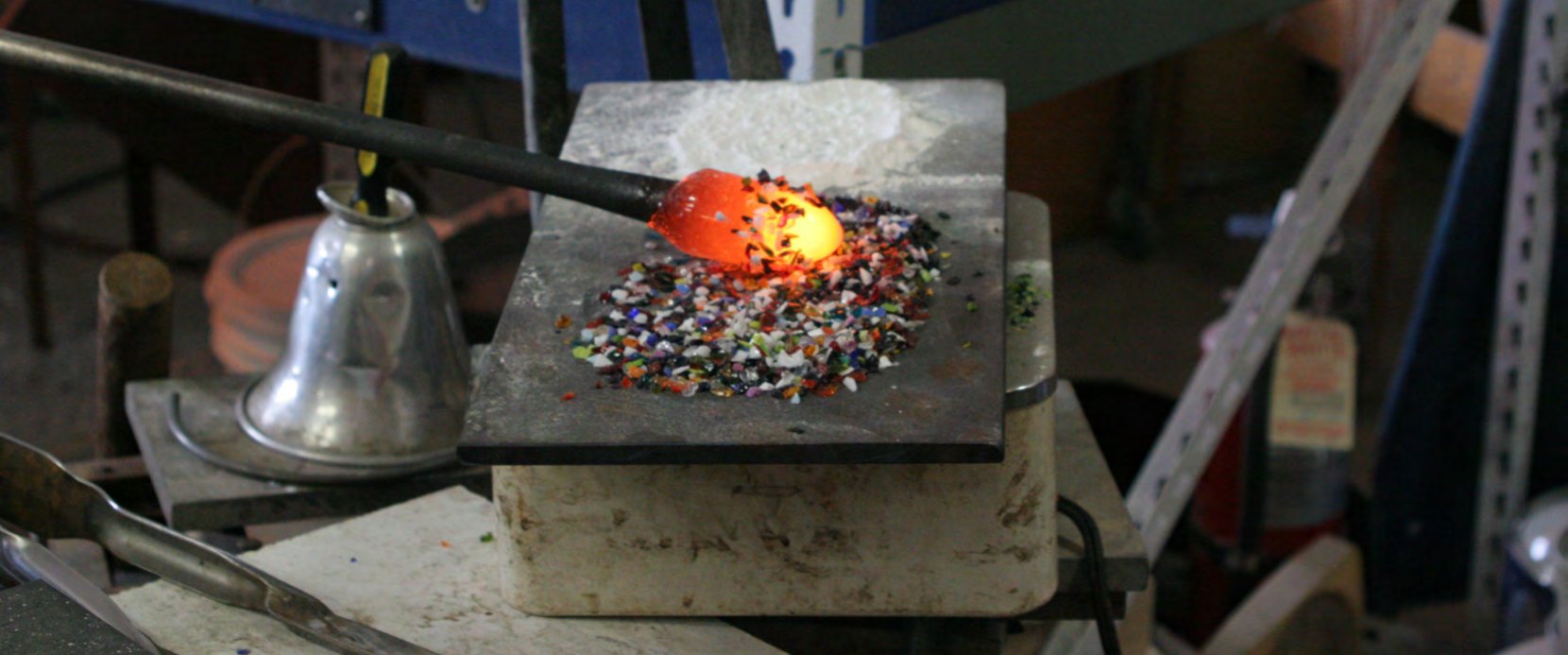
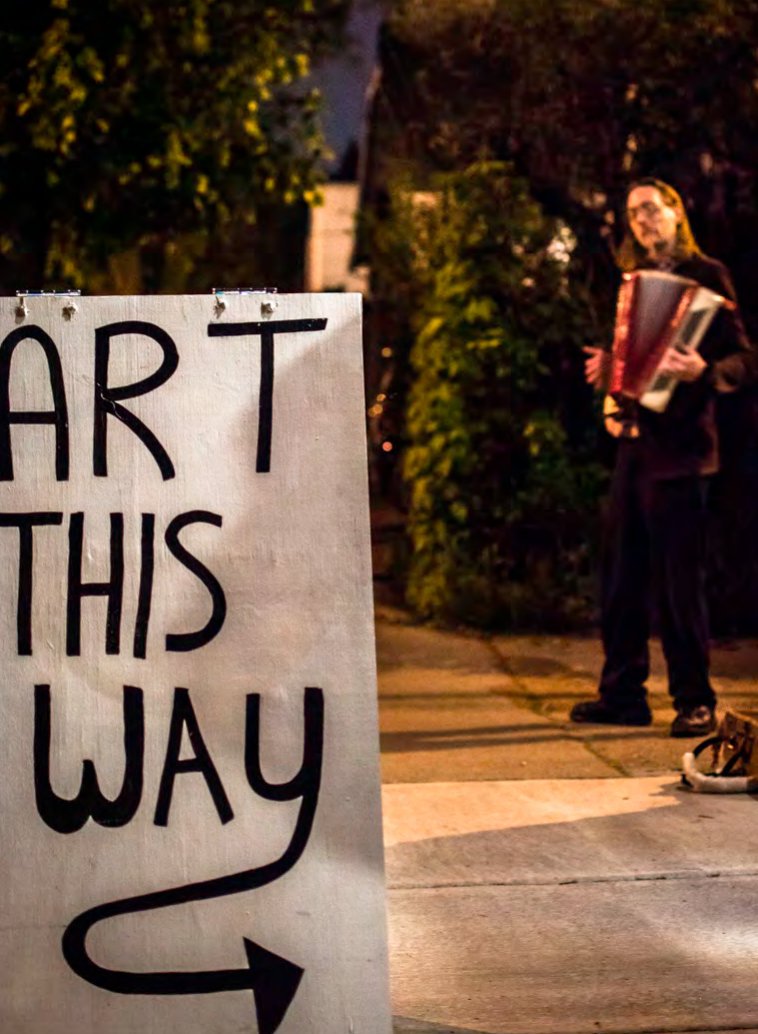
From Art-A-Whirl to NEMAA to Arts District
Displaced from Minneapolis’ warehouse district in the early 1990s, the first artists arrived in Northeast. From the West Coast, Lois and David Felker looked for a way to showcase their International Gallery of Contemporary Art. The Felkers and artists from 20 other buildings came together to plan.
From this, Art-A-Whirl®, the open studio event held on the third weekend in May, was born in 1996. Those first committee members recall impassioned arguments, even tears, late night poster-painting parties and unexpected alliances that came of this collaborative effort. Thanks in part to the funding Council Member Walt Dziedzic secured and connections city staff helped make, the event included a real-time communication via satellite with an art festival in Brighton, England.
Within the year, Northeast Minneapolis Arts Association (NEMAA) formed to produce the annual event. Within the first decade, the association advocated to the city of Minneapolis to designate an arts district. The city chose the geographic part of Northeast where most art buildings were and are still concentrated.
We are fortunate to have had support and encouragement of Dziedzic’s council successors, Paul Ostrow and Kevin Reich, State Senator Kari Dziedzic and the late State Representative Diane Loeffler, among numerous elected, staff and volunteer community resources and partners.
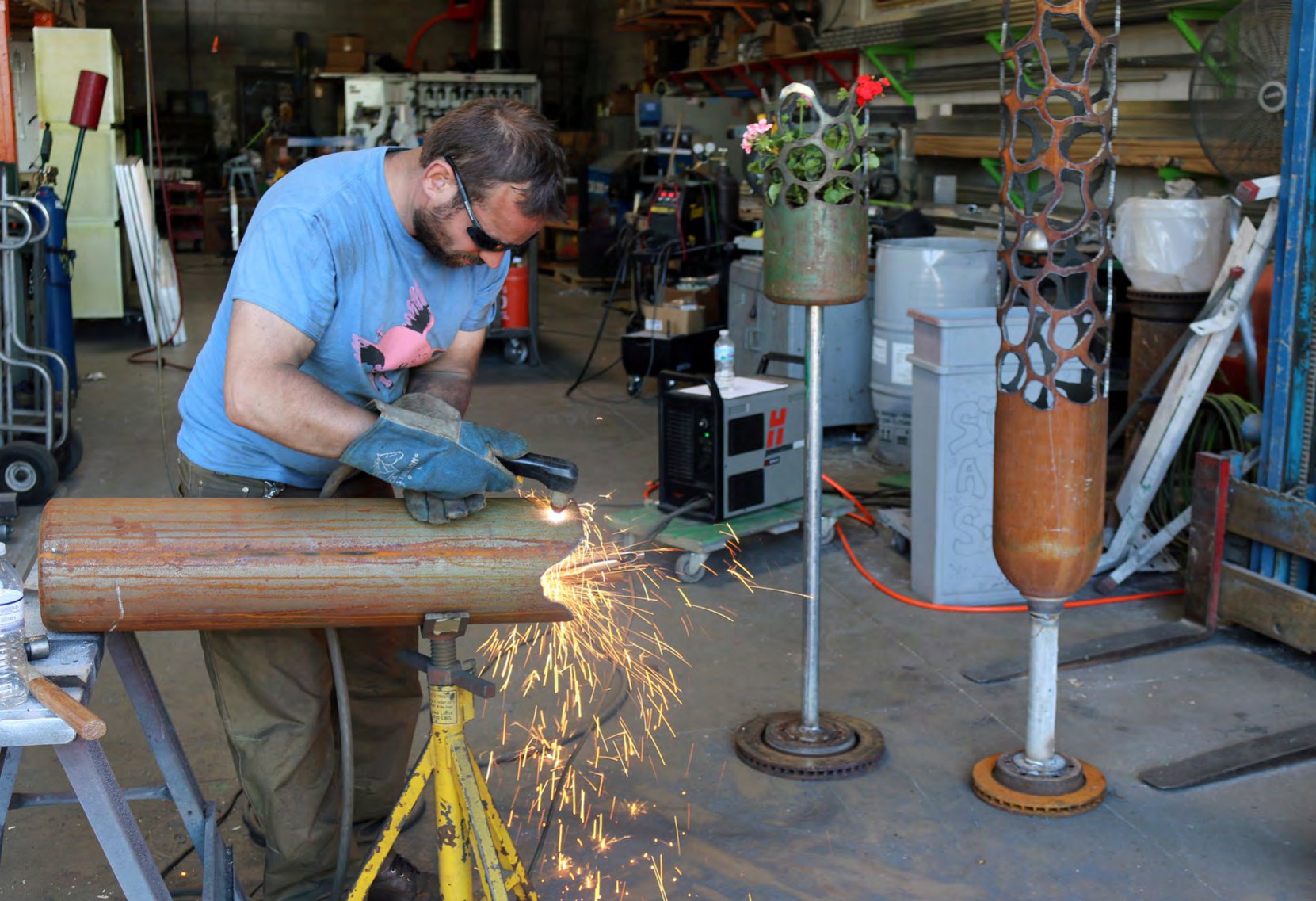
The Northeast Minneapolis Arts District now has a dedicated independent board whose mission is:
“To support artists, arts and culture in the Northeast Minneapolis Arts District by encouraging artistic inspiration and creativity; as well as incubating arts-related projects; while encouraging thoughtful economic growth, tourism, worldwide cultural artistic exchanges, political effectiveness and community connectivity.”
“Winter wheat and geography shaped the creative economy”
— Brenda Kayzar, PhD, urban geographer
In the early 20th century, this region favored food production, an option afforded by a bounty of winter wheat. Eventually, the shift from bulk to packaged goods meant foods needed to arrive at stores nationwide and catch the eye of consumers.
This fueled a need for skilled creative labor which was filled by generations of grads from area universities and fostered creative sub-economies in photography, film, music and design.
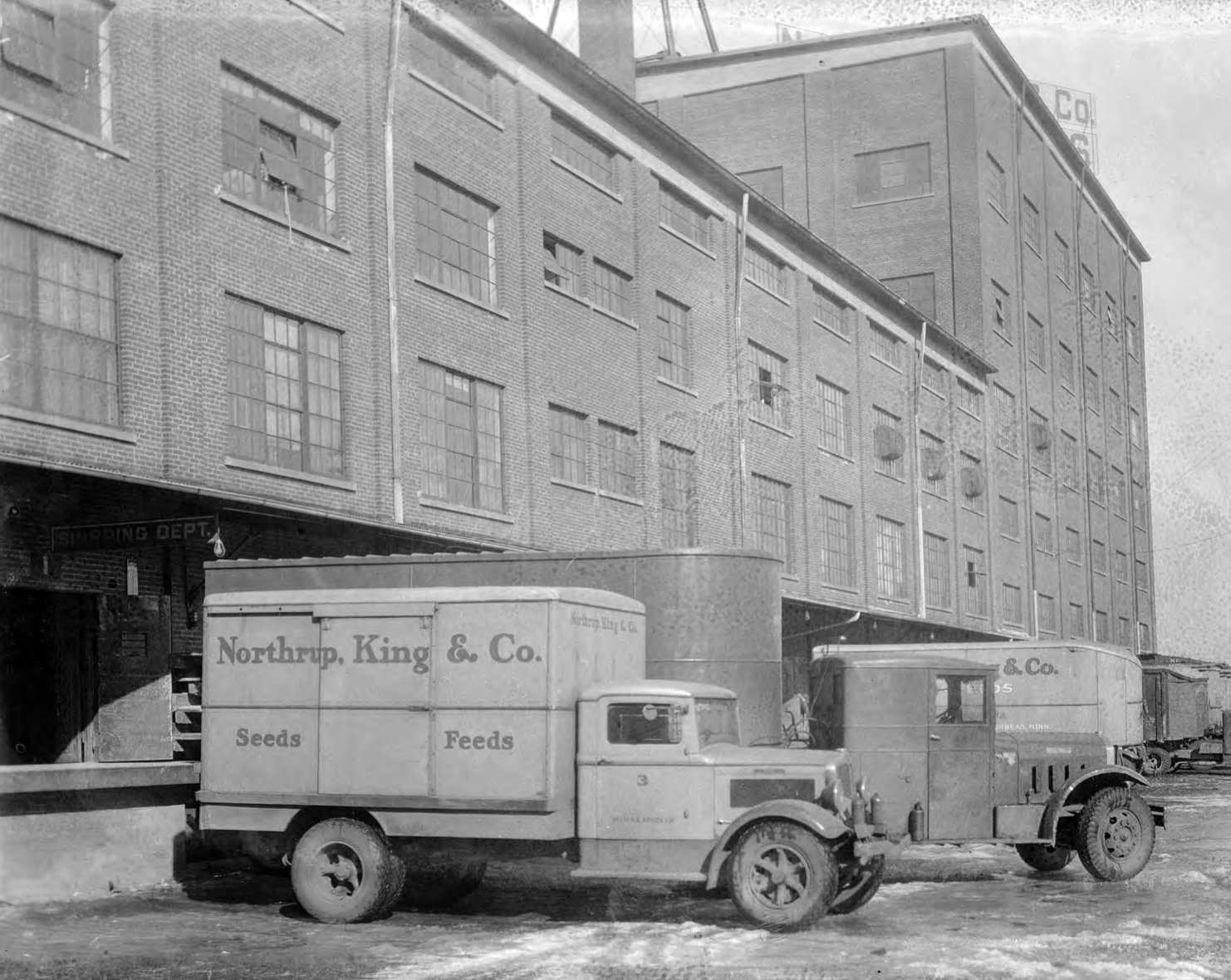
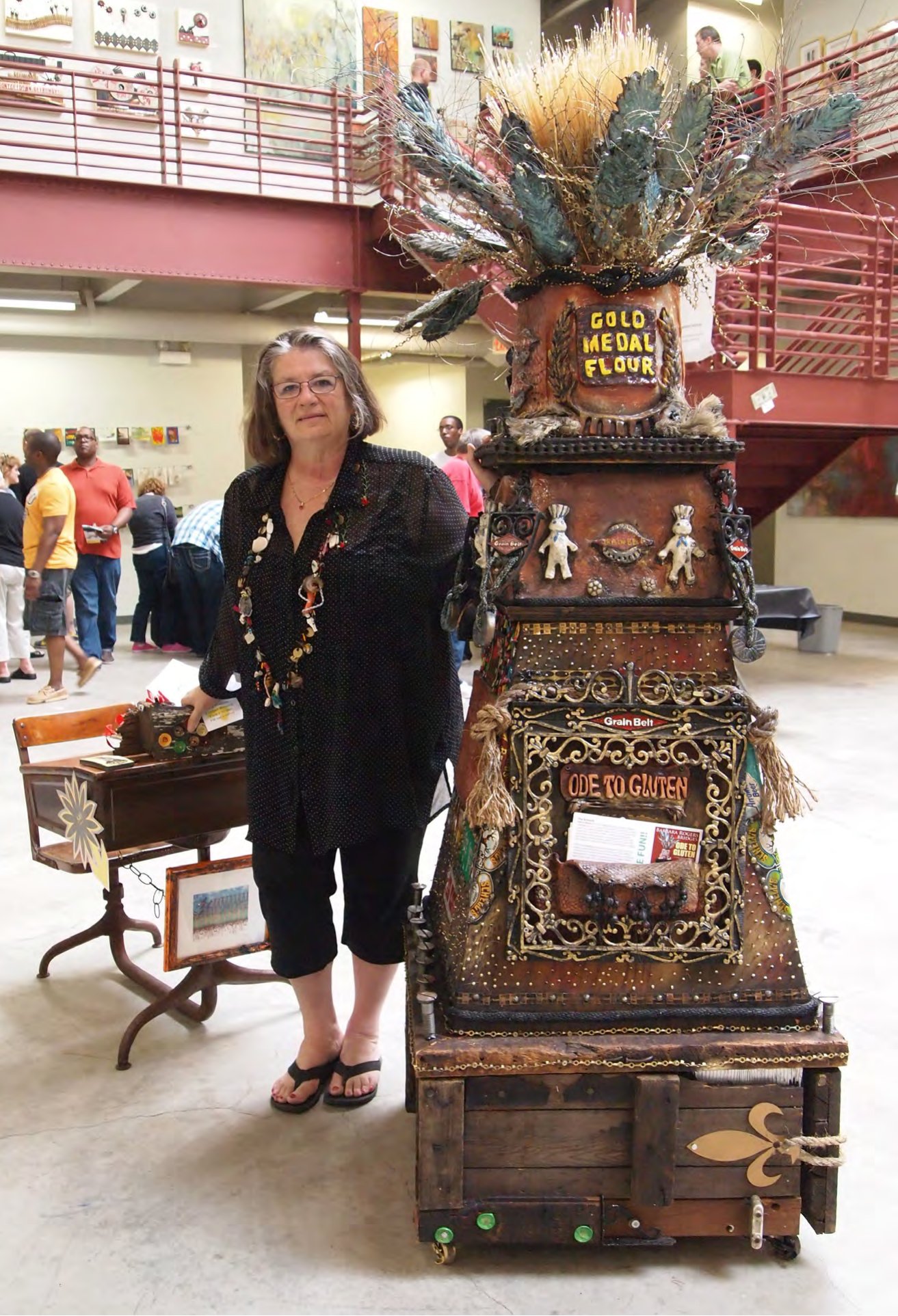
The geography of winter wheat production also prompted self-sufficiency. Located outside Chicago’s sphere of influence, remoteness ensured deeper development of arts organizations and activity for the educated workforce who thrived on this creative infrastructure.
When mechanization and off-shoring left empty buildings threaded throughout the community, unlike the hulking heavy industry found elsewhere, these smaller spaces were more easily adapted for the growing creative economy.
“There’s a line between starving artist quarters and funky space,” Hoff Heiberg of Hillcrest Development told the Northeaster newspaper in 1996. “Funky is not just crummy with twist.” Upgrading old spaces so that they really work can take equal to or more than the money and time it takes to build new buildings or do traditional remodeling.
Past and current owners of the Northrup King Building, the California and Casket Arts buildings, Solar Arts, Q.arma, Artspace and others fortunately created and are preserving large amounts of affordable and flexible artist and creative business work space.
Art owns a home in Northeast
As the factory worker families of Northeast aged out, several factors made the potential for disinvestment slower and more random than might be expected. Many families kept the houses as rentals or passed them down. Homes and small storefront stand-alone buildings were affordable for artists to buy.
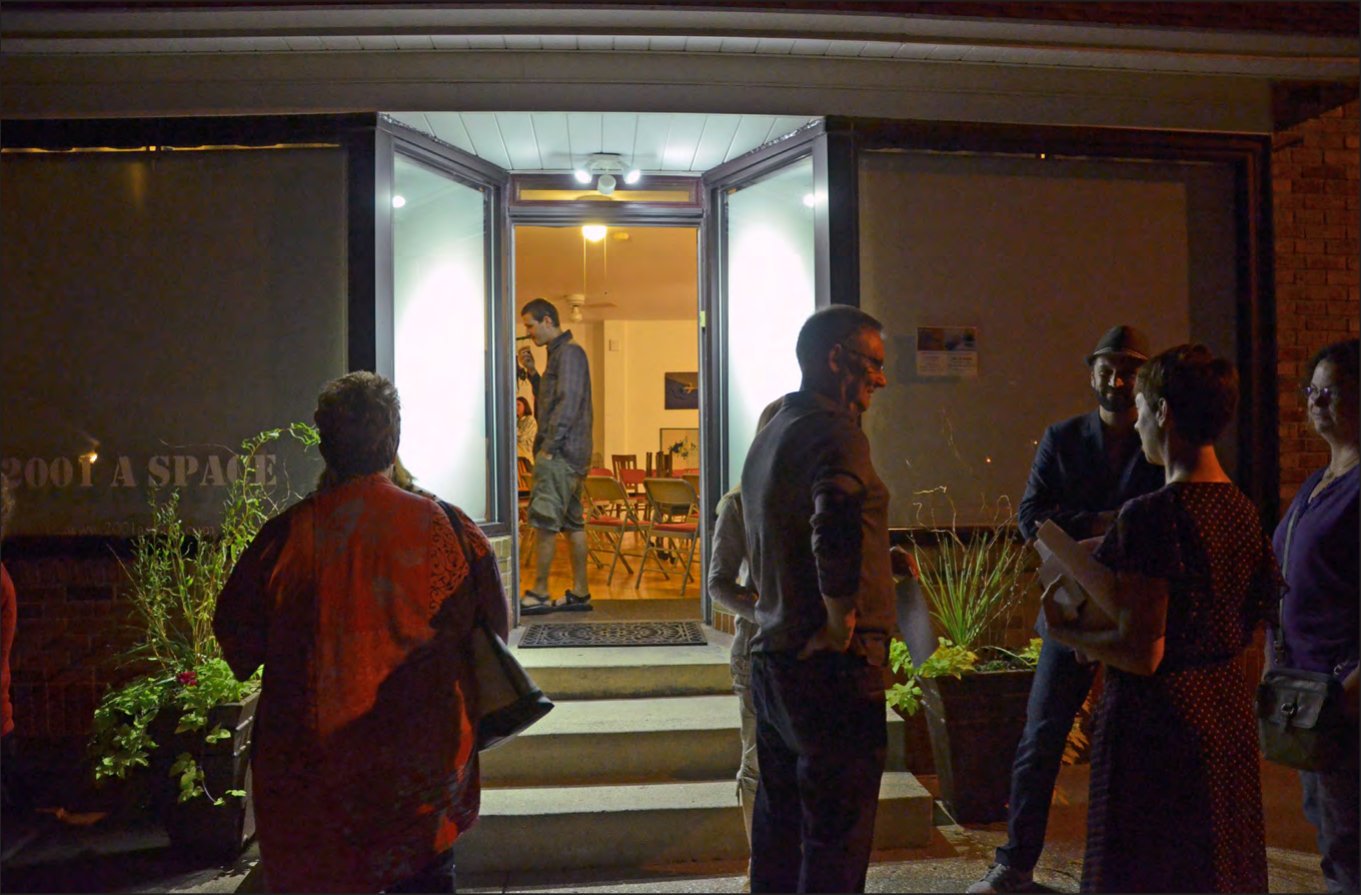
The Minneapolis Neighborhood Revitalization Program of the 1990s and 2000s along with the appeal of living in or near the Northeast Minneapolis Arts District bolstered desire to make this home. Though residential density is increasing as apartments spring up mostly along transit arteries, the recent recessions assured that for a while longer, Northeast will not be so rich as to tear down its history.
Enjoy all the Northeast arts have to offer!


